

What are Spill Pallets
Spill pallets are polyethylene containers designed and developed to prevent and control the leakage of oil and chemical containers used extensively in modern factories, warehousing, logistics, and transportation industries. Mainly used for the packaging and storage of chemicals, it has a certain depth and capacity and can accommodate leaked liquids to avoid harm to the environment and safety.
Our Factory
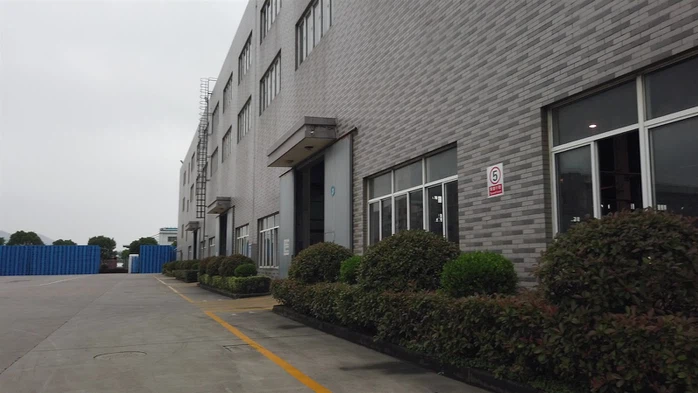
Qingdao Huading Industry Co., Ltd. is a leading plastic pallet manufacturer in China, providing professional and customized solutions. The factory manufacturing base covers an area of 10,5000m2, with more than 80 injection molding machines and 18 blow molding machines to ensure production capacity. Our sales areas cover more than 30 countries and regions around the world, and we have established cooperative relationships with well-known brands such as Porsche, Volvo, Auto-zone, and SQM.
01
Product Certification
Pass ISO 9001, ISO 14001, CE, and other certifications to ensure product quality.
02
Independent R&D Center
With more than 200 patented products, provide customers with customized solutions.
03
Quick Response
Professionals provide 7x24 online service with all-around tracking from pre-sales to after-sales.
04
Competitive Prices
Lower your operating costs with affordable products.
-

Containment drum Spill pallet
1.Product name:Low Profile Spill containment 4 drum bunded pallet. 2.Weight:32kg. Add to Inquiry -
Single Drum Spill Pallet
Please contact us for further information and volume discount pricing on Spill Pallets.We will be Add to Inquiry -
Drum Spill Containment Pallet
We will be pleased to draw up an offer for you! For this purpose, we request a customer Add to Inquiry -
Flexible Sidewall Spill Pallet
They are made with high-density, chemical-resistant polyethylene. Modular platforms can be Add to Inquiry -
Nestable Plastic Modular Pallets
Safety Yellow Sidewalls are translucent, offering convenient visual leak detection.• Polyethylene Add to Inquiry -
Storage Oil Spill Containment Pallet
We offer a range of Spill Containment Pallets that fit 80L, 120L, and other-sized drums. The Add to Inquiry -
Spill Pallets For Drums
Made of high-density virgin polyethylene for long life, virgin material for dimensional stability Add to Inquiry -
yellow spill control pallet
Spill control pallet:HDSP1368150 for 2 drums;Spill control pallet provide a safe bunded environment Add to Inquiry -
spill containment pallet sizes
Spill Pallets:HDSP1368300 for 2 drums Add to Inquiry -
4 drum spill pallet
Spill Pallets:HDSP1313150 for 4 drums Add to Inquiry


Our Service
Email: operator02@huading-industry.com
Professional Product Consultation
1
>>
Provide Sample
2
>>
Deliver on Time
3
>>
Quality Guarantee Period
4
>>
After-sales Support
5
>>
New Product and Industry Information Updates
6
The Role of Spill Pallets
Many chemical plants, waste treatment plants, and laboratories store oil drums, chemical drums, or some chemical containers. These things may cause liquid leakage, splashing, etc. during storage, use, and transportation. Not only does it pollute the environment, but it may also cause safety accidents such as falls, and serious leaks of dangerous chemicals can even endanger people's lives and health. The empty barrel design of the spill containment pallet can collect leaked chemicals and oil to prevent leakage. The spill pallet is designed with a liquid guide port, so leaked liquid can be recovered promptly and conveniently. The spill containment pallet can be used with mechanical forklifts and manual forklifts, making it easy to move during use.
Structure Of Spill Pallets
Spill Pallets adopt a separate bottom and cover design. The container is placed on the cover. The leaked liquid passes through the small holes in the cover and flows into the anti-leakage base to prevent contacting the ground.
Base
There is a leakage compartment to store liquids and catch any that may leak. The leakage bin can guarantee safety by stopping fluids from spilling or spreading.
Reinforced column design
The bottom has a reinforced column structure to increase the strength and stability of the pallet, reduce the risk of breakage or leakage, and improve the load-bearing performance of the pallet.

Cover
Easily cleaned and transportable, this anti-slip leaking grille is removable and detachable.
Leaks
Spill pallets come with drain plugs installed. It is convenient to drain the leaking liquid and take action if the leakage reaches a certain volume.
Features of Spill Pallets
Spill Pallets adopt a seamless structural design and have been tested to completely avoid leakage.
It is acid and alkaline-resistant, corrosion-resistant, and weather-resistant, which can prevent the harm caused by chemical liquid leakage.
The removable anti-slip grille has a flat surface lower than the frame of the pallet or platform to ensure that the load does not slip out and ensures safety.
The spill containment pallet series adopts a stackable structure to save space and transportation costs.
It can be used alone or in combination with multiple products to form a splash-proof and leak-proof operating platform area.
Spill Pallets can be used with multifunctional ramps to make handling easy and fast.
Classification of Spill Pallets
1
IBC Spill Pallets: Suitable for IBC ton barrel packaging. It is generally designed to be taller and thicker, with strong load-bearing capacity and superior leakage prevention capabilities.
2
4 Drum Spill Pallets: They can hold 4 international standard 200L gasoline barrels. It has a heightened and thickened version, which can be selected according to the usage.
3
2 Drum Spill Pallets: These can hold two 200L gasoline drums and be used with forklifts and hydraulic trucks.
4
1 Drum Spill Pallet: Suitable for packaging in individual chemical, paint, and oil barrels.
5
Desktop Spill Pallets: Suitable for laboratories in universities, scientific research institutes, etc. During the experiment, experimental liquids, powders, etc. leaked into the platform in time to facilitate the subsequent treatment of hazardous waste chemicals.
Application of Spill Pallets
01
Chemical industry
Spill pallets are used to store and transport chemicals, hazardous waste, and liquid waste to prevent leaks from causing harm to the environment and workplace.
02
Oil and Gas Industry
During oil and gas production, storage, and transportation, spill pallets are used to contain petroleum products, chemicals, and hazardous waste to prevent leaks and soil contamination.
03
Pharmaceutical Industry
The pharmaceutical industry uses spill containment pallets to store and transport liquid pharmaceuticals and chemicals, ensuring product safety and purity.
04
Food processing industry
They are mainly used for transporting and storing liquid food or food ingredients, such as juices, sauces, seasonings, etc. The spill pallet keeps food fresh and safe by preventing it from leaking and contamination.
05
Electronics and Semiconductor Manufacturing
Spill containment pallets are used to store and handle electronic components, chemicals, and liquid waste to prevent damage to highly sensitive electronic equipment.
06
Hazardous waste management
Spill pallets are very important in hazardous waste management and are used to collect, store, and transport various types of hazardous waste.
07
Metalworking and Manufacturing
The spill containment pallet can be used to dispose of metalworking liquid waste and coolant to reduce environmental pollution.
08
Automobile industry
The spill containment pallet is used in automobile manufacturing to store and handle liquid paint, solvents, lubricants, etc.

Material of Spill Pallets
Spill pallets are usually made of polyethylene (PE) plastic, of which LLDPE material is widely used. LLDPE material has many advantages when making spill containment pallets, which can meet the needs of chemical storage and handling.
Chemical stability and corrosion resistance
LLDPE is not easily affected by chemicals and ensures that the spill containment pallet will not be corroded or damaged during storage and handling.
Excellent processing performance
LLDPE can be made into pallets of various shapes and sizes through rotational molding processing technology. Rotational molding can achieve one-time molding and produce a seamless pallet with good sealing performance and structural strength, which can effectively prevent the spread of leaked materials.
Wear resistance and durability
LLDPE can withstand long-term use without being easily damaged. They are also lightweight, making them easy to handle and operate.
Recyclability and environmental friendliness
LLDPE can be recycled and reused to reduce environmental impact. The LLDPE material used to make the spill containment pallet is an environmentally friendly choice and contributes to sustainable development.
Craftsmanship of Spill Pallets
Raw material preparation
LLDPE plastic material with strong chemical resistance is commonly used. Mix it with the color masterbatch in proportion and stir evenly.
01
Rotational molding
Put the mixed raw materials into the roto-molding mold and rotate and heat it to make the plastic raw materials evenly adhere to the entire surface of the mold cavity and form it into the required shape.
02
Cooling and shaping
The plastic spill pallet after rotational molding is passed through the cooling process to solidify and shape.
03
Trimming and installation
After cooling and demoulding, the master will trim the edges of the pallet, and make and install drainage holes and other designs.
04
Quality inspection
Conduct quality tests on finished products to ensure that the size, structure, and leak-proof performance of the pallets meet specified requirements.
05
Guidelines for Using Spill Pallets
We need to select the appropriate spill containment pallet size and type according to actual needs to ensure that the pallet can effectively contain and handle leaked liquids.
When placing spill pallets, you need to pay attention to the following points:
Make sure the ground is flat and stable to prevent the spill pallet from being unstable and causing accidents.
Place the spill containment pallet directly under the oil drum and chemical drum to ensure that the pallet can completely catch the leaking liquid.
As needed, some adsorbent materials, such as absorbent cotton, oil-absorbing paper, etc., can be placed around the spill pallet to enhance the anti-leakage effect.
When using spill pallets, you need to pay attention to the following points:
Handle leakage correctly
For liquids that have leaked, they need to be collected in time and moved to a safe place.
Keep the pallet clean
Clean the spill containment pallet regularly to prevent residues from causing corrosion to the pallet.
Regular inspection and maintenance
Check the sealing performance and structural integrity of the spill pallet to ensure that it can work properly. If any problems are found, they should be repaired or replaced immediately.
Train operators
Provide specialized training to staff, including how to identify leaks, how to correctly place and operate spill pallets, and how to handle emergencies.
Certifications

FAQ
Q: What is a spill pallet used for?
A: Spill pallets are specially used to hold dangerous goods containers such as oil barrels and chemical barrels. They can collect leakage and prevent liquid from leaking to the outside, polluting the environment and endangering personal safety. It is widely used in chemical, oil and gas, pharmaceutical, food, and other industries.
Q: What is the difference between a spill deck and spill pallet?
A: The height of the spill pallet is higher than that of the spill deck, and the corresponding liquid capacity is also higher. In addition, the spill pallet is suitable for hydraulic trucks and motorized forklifts, while the spill deck is only suitable for motorized forklifts or not for all types of forklifts.
Q: What are the requirements for oil containment?
A: Select the appropriate size and type of spill pallets, and place the spill containment pallet under the oil drum. Spill pallets have good sealing properties and can collect and store leaked oil. They are a common tool for oil containment.
Q: Is spill containment required?
A: Spill containment is required for all containers that may spill or leak hazardous materials. Spill containment pallets are often used for the storage and transportation of dangerous goods containers to collect liquids that may leak.
Q: What pallets to avoid?
A: Avoid using pallets that are damaged, have insufficient load capacity, are not clean, or do not meet hygiene, environmental protection, size requirements, as well as pallets that are not suitable for specific environments or regulatory requirements to ensure transporting cargo safely and efficiently.
Q: What liquids require secondary containment?
A: Hazardous liquid chemicals require secondary sealing. Secondary containment is any form of external container or structure that can contain the leakage in the event of a chemical leak or accidental spill. A spill containment pallet is a good choice.
Q: What is the function of a spill pallet?
A: A spill pallet is an essential piece of equipment for any business that stores or transports industrial liquids. It has a certain height and volume to contain leaking liquids and is designed to ensure that the storage area is protected from leaks, spills, and contamination, and to prevent accidents and injuries.
Q: What is the use of spill containment pallet?
A: The primary purpose of a spill containment pallet is to provide protection when handling and storing liquid chemicals or other substances that may leak. They are designed with troughs that can contain and collect liquids that may leak, preventing them from spreading, contaminating the environment, or causing harm.
Q: What is the name of the equipment used for containment of oil spill?
A: Spill pallets and spill decks can be used for oil spill containment. They are placed under oil drums to collect leaked or spilled oil and prevent oil from spilling on the ground or spreading.
Q: Why are pallets painted blue?
A: Pallets are painted blue primarily because they are easily distinguishable, helping workers quickly locate and identify pallets. Additionally, blue has become the industry standard color for pallets, making it easier for companies to order and replace pallets. This standardization also promotes consistency throughout the supply chain. Additionally, plastic pallet manufacturers allow custom colors to meet specific needs.
Q: Can pallets be left in the rain?
A: Plastic pallets can be left out in the rain. They are usually waterproof and will not be damaged by moisture. However prolonged exposure to sunlight and rain can cause aging and color changes in plastic pallets, so it’s best to try to avoid prolonged exposure to harsh weather conditions.
Q: Can mold grow on pallets?
A: Mold can grow on wooden pallets. The grain and pores on the surface of wooden pallets provide an ideal environment for mold to grow, especially in humid conditions. In contrast, plastic pallets are less susceptible to mold and mildew because the plastic surface is non-porous and does not easily absorb moisture.
Q: How does a spill pallet work?
A: Spill pallets consist of a base and a cover. The cover is designed as an anti-slip leakage grille, and the base serves as a leakage bin for storing liquids. Liquid containers are placed on the spill pallet for storage and transportation. When the liquid leaks or overflows, the liquid flows through the small holes on the cover and into the base of the spill containment, which collects and stores the leaked liquid.
Q: What is a spill containment pallet used for?
A: Spill pallets are rigid secondary spill containment systems designed to store drums and other containers of hazardous chemicals, oils, and fuels. The spill containment pallet has a leakage bin, which can collect leaked liquid and prevent it from overflowing, spreading, and contaminating nearby areas.
Q: What is IBC spill containment?
A: IBC spill containment refers to the prevention and control of leaks from Intermediate Bulk Containers. IBC spill pallets are often used to collect leaked liquids to prevent spills, spread, and harm to the environment and human health.
Q: How do you confine and contain a spill?
A: Use spill pallets for storage and transportation, which collect leaks and prevent spread. At the same time, leakage collected in the pallet needs to be promptly cleaned up and properly disposed of to reduce the impact on the environment and human health.
Q: Why containment is required?
A: If the leak can be controlled, it will not pollute the environment or cause additional harm. Secondary containment is required by multiple regulations and is mentioned in several industry standards. A secondary containment system is essential.
Q: Why are spillage trays necessary?
A: Spillage trays are designed to prevent accidental spillage or leakage of liquids from causing environmental pollution or harm when storing oil, fuel, or chemicals in containers. They are often used in places such as factories, laboratories, or warehouses to keep the work environment clean and safe.
Q: Why are spill pallets provided?
A: Spill pallets are provided mainly to help store accidentally leaked or spilled oil, fuel, hazardous chemicals, etc. to prevent their spread and pose a threat to humans and the environment. Spill pallets prevent hazardous materials from impacting the environment by controlling leaks and spills at their source.
Q: Are plastic pallets cheaper?
A: Plastic pallets generally cost more than wooden pallets. However, plastic pallets have the advantages of being durable, waterproof, and easy to clean, and can be used multiple times in many application scenarios. In the long term, plastic pallets may be more economical than wooden pallets because they last longer and require less maintenance. In addition, plastic pallets can also avoid problems such as wood chips and decay that may be caused by wood pallets and are more suitable for the transportation of some special products (such as food, medicine, etc.).
Feel free to buy spill pallets here. As a professional spill pallets manufacturer as well as one of China's leading plastic pallets suppliers, we'll offer you the highest quality products with the lowest price.
